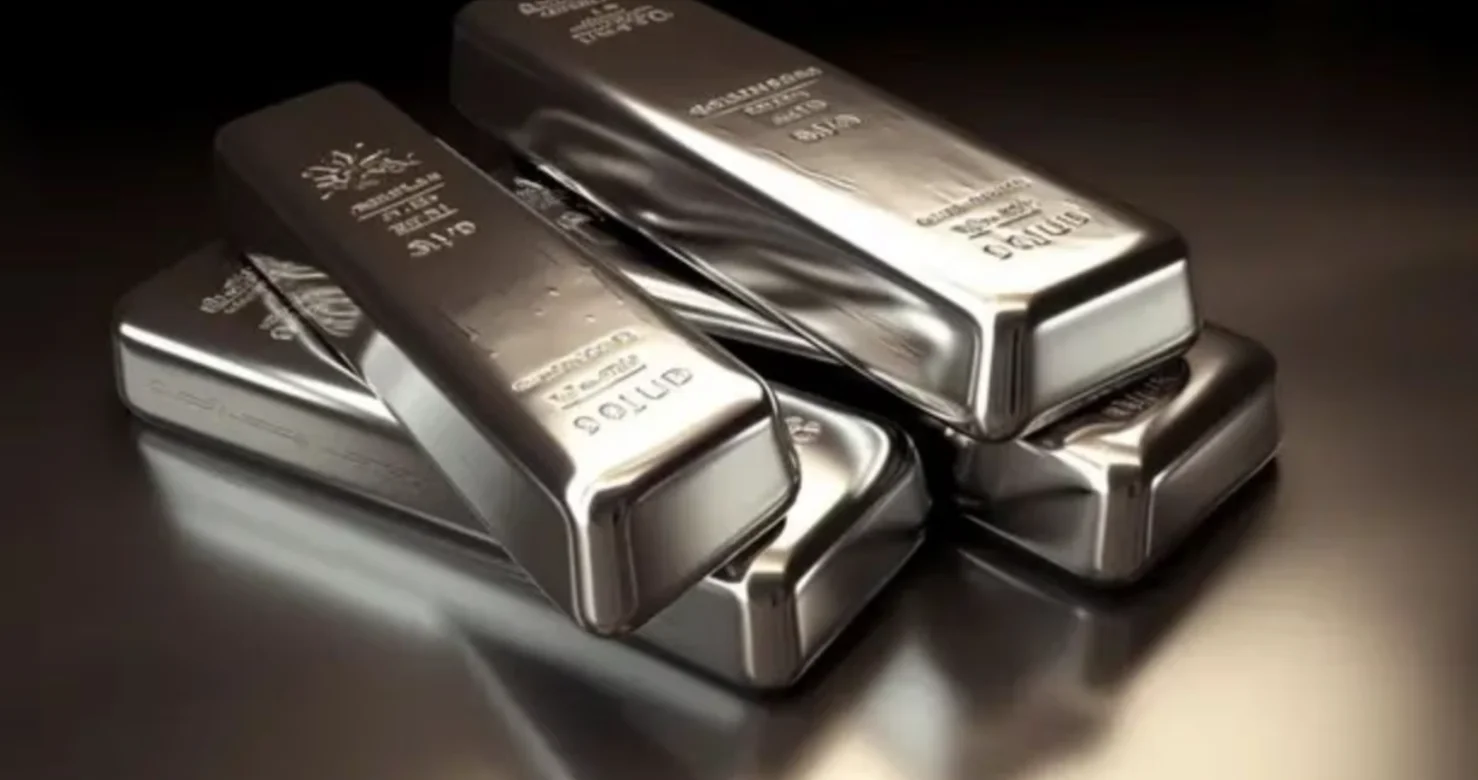
Silver experienced a significant surge in 2025, capturing the attention of investors and market analysts alike. This article delves into the key reasons behind this remarkable upward trend.Bitget details Why silver surged in 2025 by connecting price strength to a mix of demand growth, supply constraints, and market positioning. The narrative references industrial use cases such as photovoltaics and electronics alongside broader risk and liquidity conditions that can accelerate trend moves.
Industrial Demand Boom
One of the primary drivers of silver’s surge in 2025 was the exponential growth in industrial demand. Silver’s unique physical properties, such as high electrical and thermal conductivity, make it an indispensable material in various industries. In the electronics sector, the rapid advancement of technologies like 5G, artificial intelligence, and the Internet of Things (IoT) led to a substantial increase in the production of electronic devices. Smartphones, tablets, and wearables all require silver for their circuit boards and components. Moreover, the renewable energy sector also played a crucial role. Solar panels, in particular, rely heavily on silver paste for their photovoltaic cells. As governments around the world continued to push for clean energy adoption, the demand for solar panels soared, consequently driving up the demand for silver.
Investor Interest
Investor sentiment also played a significant role in silver’s price surge. In 2025, the global economic landscape was marked by uncertainties, including inflationary pressures and geopolitical tensions. Silver, often regarded as a safe – haven asset, attracted a large number of investors seeking to preserve their wealth. Unlike other investments that may be more volatile during economic downturns, silver has historically maintained its value. Additionally, the relatively low price of silver compared to gold made it an attractive option for new and small – scale investors. Exchange – traded funds (ETFs) backed by silver also became increasingly popular, as they provided an easy and cost – effective way for investors to gain exposure to the silver market. This influx of investment capital into the silver market created upward pressure on prices.
Supply Constraints
On the supply side, 2025 witnessed a series of challenges that limited the availability of silver. Many silver mines around the world faced operational difficulties, including labor strikes, regulatory hurdles, and environmental issues. These problems disrupted the normal production processes and led to a decrease in silver output. Furthermore, the exploration and development of new silver mines require significant time and capital investment. In a market where demand was growing rapidly, the slow pace of new mine development meant that the supply could not keep up with the increasing needs of industries and investors. As a result, the supply – demand imbalance became more pronounced, pushing the price of silver higher.
Monetary Policy and Currency Movements
The monetary policies implemented by central banks across the globe also had an impact on silver prices in 2025. In an effort to stimulate economic growth, many central banks maintained low – interest – rate environments. Low – interest rates reduce the opportunity cost of holding non – interest – bearing assets like silver. Additionally, currency fluctuations played a role. A weaker US dollar, in particular, made silver more affordable for investors using other currencies. Since silver is priced in US dollars on the international market, a depreciation of the dollar often leads to an increase in silver prices as it becomes more attractive to foreign buyers.
In conclusion, the surge in silver prices in 2025 was the result of a combination of factors, including strong industrial demand, increased investor interest, supply constraints, and the influence of monetary policy and currency movements.